


The Back-Bar War: How US Convenience Stores Are Redrawing the Nicotine Map
Leave a message
The Back-Bar War: How US Convenience Stores Are Redrawing the Nicotine Map
Cigarettes are fading while pouches and high-capacity vapes move in behind the register – a look at the structural shift in the US convenience channel
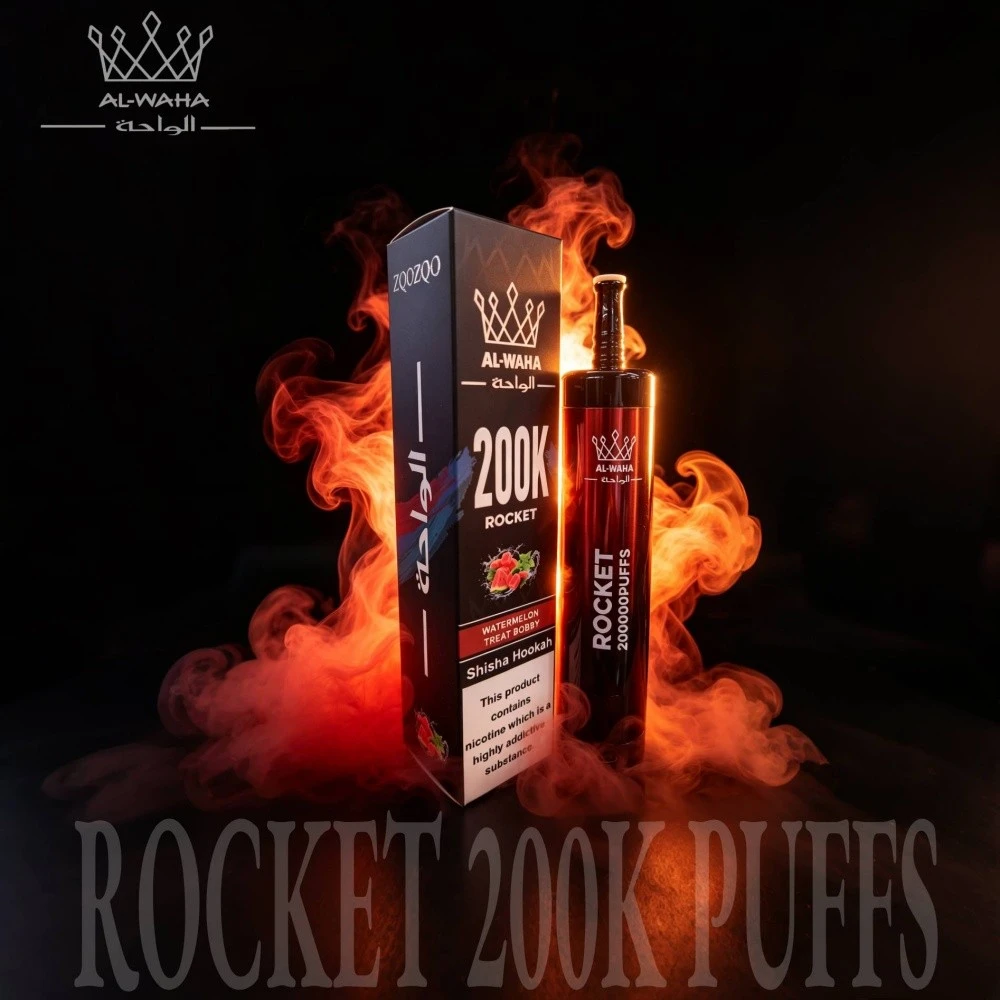
Fig. 1 – A shisha-flavored, high-capacity disposable aiming at overseas markets with a "strong flavor + big capacity" play. (Al-Waha 200K Rocket)
Walk into any US gas-station convenience store and skip the doorway – the real battleground is behind the register. That small wall of plastic packaging and tobacco smell, the industry calls the back bar. Over the past few years this square foot of space has been quietly repopulated: cigarette slots are shrinking year over year, while pouches, dissolves, and vape products are creeping in, denser with every restock. The clerk probably doesn't realize it, but each time he restocks, he is casting a vote in a much bigger category migration.
Data note: Figures in this piece come from NielsenIQ (NIQ) data supplied by the National Association of Convenience Stores (NACS), covering the 52 weeks through 2025; margins are drawn from the NACS CSX convenience-store operating-benchmark database.
1. An Underrated Battlefield for a Long Time
When people discuss the US nicotine market, they tend to watch the big tobacco companies' earnings. But what decides whether a product actually lands is usually the last few hundred meters – the retail end. Per the NIQ data NACS shared, in 2025 92.9% of US "Other Tobacco Products" (OTP) and 82.9% of cigarettes were sold in convenience stores. There are 151,975 convenience stores in the country, and 63% of them are single-store operators. The pulse of this market lives in these unassuming corner shops.
2. Ebb and Surge in the Data
Zoom in and you can see two curves heading in opposite directions. On one side, cigarettes: over the trailing 52 weeks, cigarette sales in the US convenience channel fell 2.5%. On the other, OTP: sales were roughly flat and did not fall with them. The eye-catcher is a subcategory inside OTP – NACS's "Smokeless Tobacco Alternatives" (nicotine pouches and the like), up 22.4% in sales and 15.2% in volume year over year.
If you pool cigarettes and OTP into one "nicotine" bucket, per NACS's own framing, total sales are down 1.7%. So this is not an "everything is rising" story; it is a "the mix is moving" story: the overall pool is barely shrinking, but the chips inside are migrating from cigarettes toward pouches and vapes.
3. The Margin Seesaw: What Retailers Actually Care About
Sales curves tell you "what consumers are buying"; margins tell you "why retailers are willing to stock it." NACS's CSX benchmark database gives a very plain answer (see table). For a store owner, the same shelf makes more money with OTP than with cigarettes – that is the quiet engine behind the back-bar reshuffle.
| Category | Gross margin (CSX) |
|---|---|
| Cigarettes | 14.86% |
| Other Tobacco & Nicotine Products (OTP) | 29.85% |
Chris Rapanick, NACS's research head, puts it this way: retail is shifting from low-margin cigarettes to higher-margin OTP, and gross profit for "nicotine" as a whole is trending up. In his words, "that's good news, because gross profit is growing for nicotine in aggregate."
4. Every Inch of the Back Bar Counts – Flavor Is the New Currency
Shelf space is one of the scarcest resources in a convenience store. This year's NACS Show even ran a session called "The Battle for Back Bar Space," about how oral nicotine, legacy tobacco, and emerging categories fight over those few square feet.

Fig. 2 – From strawberry to watermelon, orange, and grape, flavor range is becoming the most visible competitive dimension on the shelf. (Al-Waha 200K Rocket series)
Rapanick expects to see more brands, more flavors, and more product innovation at this year's show. "Flavor" is turning from a plus into an entry ticket – a narrow flavor lineup makes it hard to hold ground on a crowded back bar.
5. High-Capacity Shisha Flavors: A Side Worth Watching
Among the ingredients of OTP growth, vaping has always been a key piece; and shisha (hookah) flavor is one of its most recognizable branches.
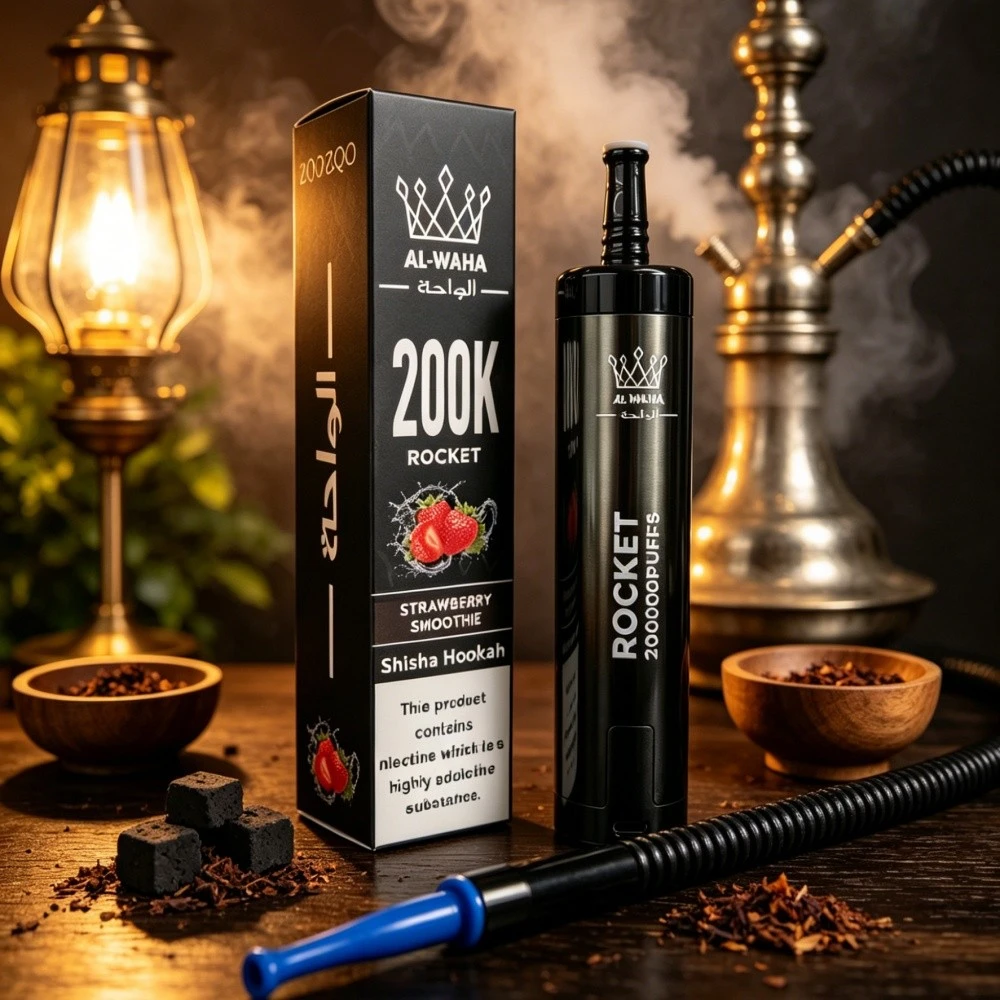
Fig. 3 – Shisha flavor is highly recognizable in the vape category and usually shows up as a "big capacity + strong flavor" combo. (Al-Waha 200K Rocket)
6. Don't Just Read the Upside – the Headwinds Are Real
A piece that only talks growth is dishonest. The US convenience channel has been fighting real headwinds this year. NIQ data show overall convenience sales fell 1.3% over the trailing 52 weeks; NACS's CSX database shows the average store losing about 1,000 in-store transactions a month – roughly 30 a day. Rapanick notes the environment after March 1 was especially tough, with fast-rising gas prices squeezing in-store spending.
Regulation is the other variable. In May, the FDA issued enforcement guidance on certain unauthorized ENDS (electronic nicotine delivery systems) and nicotine pouches; on September 28, the FDA said it would review the current PMTA (Premarket Tobacco Product Application) framework and consider replacing it with a new rulemaking process. For compliant retailers, the most practical worry is that illegal, unregulated products put them at a competitive disadvantage.
7. 2027? Probably the Same Playbook
Asked about 2027, Rapanick's answer was blunt – "I'd expect more of the same." Since the pandemic's effects faded, cigarette sales have largely followed the same gentle downward slope, and OTP growth has stayed steady. Within OTP, traditional smokeless, cigars, and vaping are all currently trailing the "smokeless alternatives" subcategory. His read: in the near term, the US market still leaves room for new entrants and innovation – "saturation" is not the main worry right now.
In Closing
Stack these lines together and the conclusion is not complicated: the entry point to the US nicotine market is still those 150,000-plus convenience stores; the change is happening behind the register – cigarette share is yielding, and higher-margin, flavor-rich OTP is filling in. This is not an overnight revolution; it is a slow but clear structural migration.
For brands and channel partners, two signals are worth tracking: back-bar placement is tilting toward higher-margin categories, and the "flavor matrix" is becoming a competitive threshold. Whether regulation rewrites the final shape is still the biggest unknown.
Disclaimer
This article is for industry news and research purposes, covering channel, category, and policy observation. Brands and products mentioned are for objective illustration only and do not constitute endorsement, recommendation, or a sales offer.
Nicotine products (including cigarettes, e-cigarettes, heated tobacco, and nicotine pouches) carry health risks; users must comply with the laws of their jurisdiction.
This is not investment advice. Data come from public NACS/NIQ figures and may change as methodologies are updated; no direct or indirect liability is accepted for accuracy.
Not for access by persons under the legal age.


